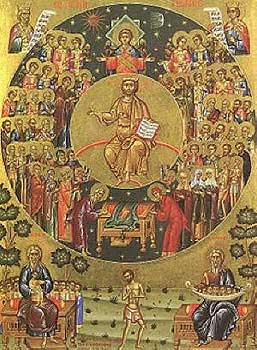
 El s-a născut în ţinutul Gamfanitus, din părinţi ţărani, în tinereţile lui el a fost lucrător cu ziua în via unui anume cetăţean din Constantinopol. Dar chiar lucrător cu ziua fiind, Polihronie s-a închinat pe sine nevoinţelor trupeşti şi lăuntrice prin postiri aspre şi rugăciune ziua şi noaptea. Vierul se minuna de sfinţenia vieţii lui şi îi plătea bani mai mulţi decît prevedea înţelegerea. Sfîntul Plihronie cu acei bani a zidit o sfîntă biserică. La vremea Sfîntului Sinod întîi Ecumenic de la Niceea (din anul 325), Polihronie era citeţ bisericesc. El s-a arătat în acea vreme un rîvnitor de foc al Ortodoxiei şi curăţiei dogmei, luptător împotriva ereziei ariene, şi de aceea a fost sfinţit preot. Arienii pentru aceasta s-au răzbunat, au năvălit chiar în biserică şi 1-au tăiat în bucăţi pe Sfîntul Polihronie. Aşa s-a săvîrşit acest mare apărător al adevărului şi al purităţii Ortodoxiei, primind cununa muceniceştii slave din Mîinile Domnului Hristos.
If you like our project and you are satisfied with our work and effort, please consider making a donation that would help us to survive on the Internet and in further development of the project.
Our goals are:
- At least for the next ten years to ensure the survival on the Internet by reserving quality servers,
- To rent one domain in every language in which the project has been translated,
- To translate the calendar in Italian, Polish and Armenian language, as soon as possible
- To work towards the further development of the project, adapting it for mobile devices and modern technologies
- To do the annual calendar, display showing the liturgical readings per week
- To supplement existing content
- To do a completely new approach with banners and a small calendars for other sites,
- To do good application for desktop computers ...
There are many other ways to help...